How to Clean Coffee Equipment: A Practical Guide for Better Brews
There is a moment every coffee lover knows. You pour a cup of your favorite roast, take that first sip, and something tastes off. Maybe it is a little bitter, maybe a little sour, or just flat. Before you blame the beans or the grinder, think about the last time you cleaned your gear. Coffee oils, mineral deposits, and stray grounds build up fast. They cling to surfaces and turn your next brew into a muddy echo of what it could be. I have been through this cycle more times than I care to count, and I have learned that knowing how to clean coffee equipment sessioncoffeedenver is not just about hygiene. It is about flavor, consistency, and making your gear last.
Let me walk you through the practical side of this. I will cover the tools you need, the methods that actually work, and the mistakes that cost you time and taste. Whether you use a French press, a drip machine, or a full espresso setup, the principles are the same. And if you ever feel overwhelmed, remember that many local roasters and cafes, like Session Coffee Denver, offer guidance and even cleaning services to keep your equipment in top shape.
Why Cleaning Matters More Than You Think
Coffee is full of oils. Those oils give your cup body and aroma, but they also leave a sticky film on everything they touch. Over time, that film turns rancid. It mixes with old coffee particles and mineral scale from your water, creating a crust that alters every extraction. If you have ever noticed a metallic or burnt taste in your coffee, your equipment is likely the culprit. Beyond taste, a dirty machine can harbor bacteria and mold, especially in areas that stay damp, like the water reservoir or the group head of an espresso machine. Cleaning is not just a chore. It is the single most impactful step you can take to improve your daily brew.
The Basic Toolkit
Before you start scrubbing, gather a few essentials. You do not need expensive specialty cleaners for everyday maintenance, but a few items make the job much easier. For most brewers, a stiff nylon brush, a small container of dish soap, and white vinegar or citric acid powder will handle 90% of the buildup. For espresso machines, you will also want a blind basket for backflushing and a dedicated espresso machine detergent like Cafiza or a food-grade alternative. Avoid using bleach or harsh chemicals. They can leave residues that ruin your coffee and damage seals.
One more thing: always have clean, soft cloths on hand. Paper towels work in a pinch, but lint-free microfiber cloths are better for drying and polishing. When you are deep cleaning, a toothpick or a thin piece of wire can help dislodge grounds stuck in tight spaces, like the crevices of a portafilter basket or the spray head of a drip machine.

Daily and Weekly Habits
Consistency beats intensity every time. If you clean a little each day, you will rarely need to do a major overhaul. Here is what that looks like for different types of equipment.
Drip Coffee Makers
After every brew, remove the carafe and the filter basket. Rinse them with hot water and a drop of soap. Let them air dry. Once a week, run a cycle with a solution of one part white vinegar to two parts water, followed by two cycles of plain water to rinse. That simple routine prevents oil buildup and keeps the heating element free of scale.
French Press
The French press is deceptively simple, but its mesh filter traps fine grounds and oils. After each use, disassemble the plunger and rinse the mesh under running water. A gentle scrub with a soft brush every few days keeps the mesh clear. Once a week, soak the mesh and the carafe in hot water with a teaspoon of baking soda for about 15 minutes, then rinse thoroughly. Do not use abrasive scrubbers on the glass carafe. They create micro-scratches where coffee stains set in.
Pour-Over Cones
Ceramic and glass pour-over cones are easy. Rinse them after each brew and give them a soap scrub every few days. The tricky part is the server or the carafe you brew into. Swirl a little hot water and a dash of vinegar inside after each use to prevent oil buildup. Once a month, use a dedicated coffee stain remover or a paste of baking soda and water to polish the inside.
Deep Cleaning Espresso Machines
Espresso machines require the most care, but the reward is a shot that tastes bright and clean. If you own a home machine, you already know that the group head, portafilter, and steam wand need attention after nearly every shot. But a deeper clean every week or two keeps the internal components healthy. Backflushing is the key. Insert the blind basket, add a small amount of espresso cleaner, and run the backflush cycle as many times as your machine recommends. Usually two or three cycles, followed by a few cycles with plain water, does the trick. This process scrubs the internal pipes and the three-way valve, where coffee oils accumulate and harden.
The steam wand is another hotspot. Milk residue burns onto the tip and the inside of the wand, creating a crust that is hard to remove. After each use, purge the wand by running steam for a second, then wipe the tip with a damp cloth. Once a week, soak the tip in a small cup of water with a drop of detergent, then run steam through it to flush out any remaining milk solids. If your wand has a removable tip, take it off and soak it separately.
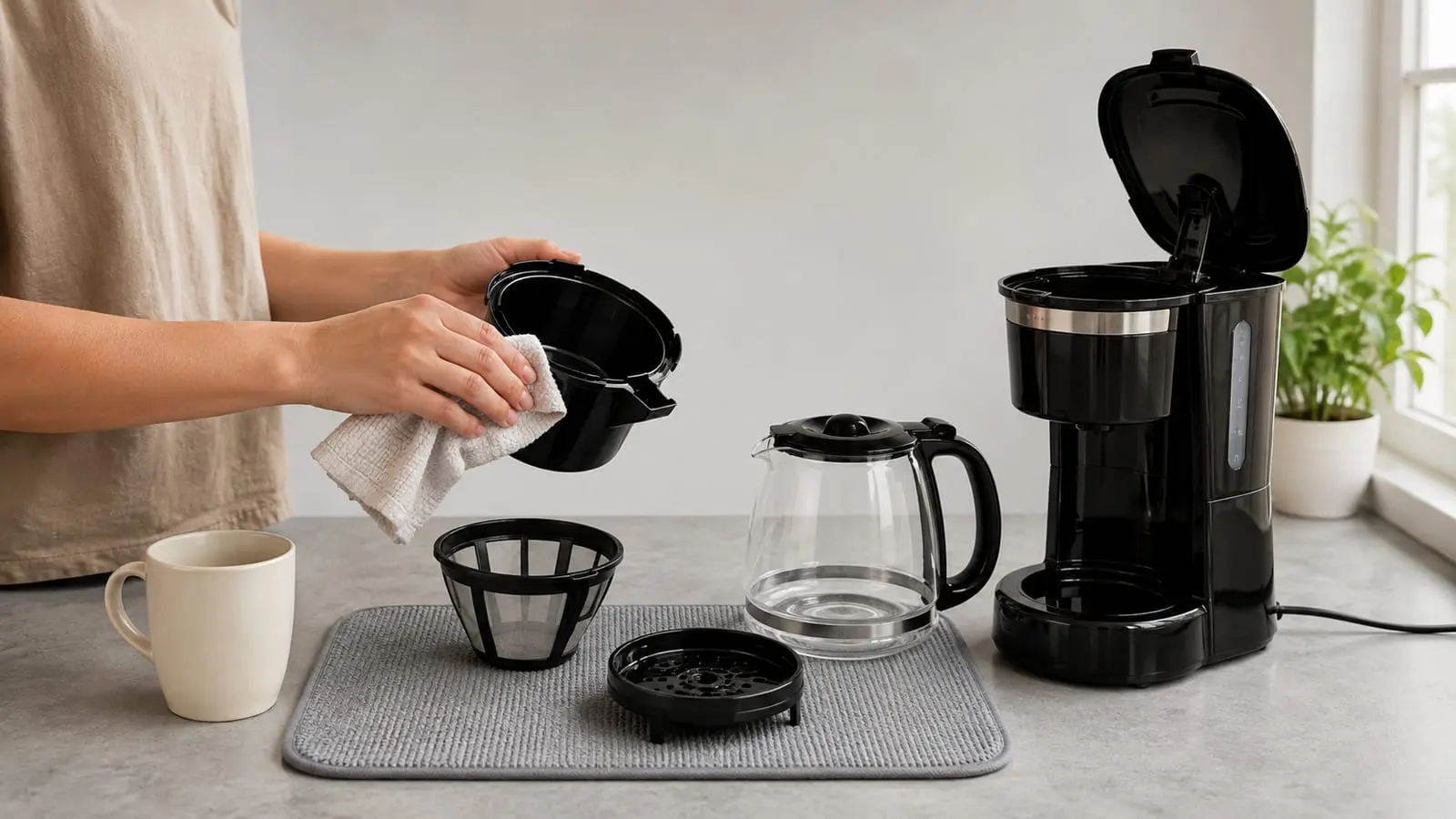
For the water reservoir, empty and dry it every week. If your water is hard, descale the machine every month or as directed by the manufacturer. Scale buildup is the number one killer of espresso machines. It can clog the boiler and the heating element, leading to expensive repairs. Use a descaling solution that is compatible with your machine, and follow the instructions exactly. Rinsing is critical. Any leftover descaler will taste terrible.
I have heard many home baristas say they avoid deep cleaning because it feels like a hassle. But once you make it a habit, it takes about 15 minutes. Think of it as a ritual that prepares your machine for another week of great shots. And if you ever want a refresher, you can look up how to clean coffee equipment sessioncoffeedenver for more detailed guidance tailored to your specific setup.
Grinders: The Overlooked Culprit
Your grinder is the most neglected piece of equipment in most kitchens. It is also the one that most dramatically affects taste. Burrs accumulate coffee dust and oil, which turns into a paste that clogs the grinding chamber. That paste burns when the grinder runs, adding a stale, bitter note to every dose. Cleaning your grinder every two to four weeks is essential.
For blade grinders, the fix is simple. Run a handful of uncooked white rice through the grinder, then wipe the chamber with a dry cloth. The rice absorbs oils and knocks loose old grounds. For burr grinders, use a grinder cleaning tablet or a product like Grindz, which is made of compressed, food-safe grain. Run it through the grinder on a coarse setting, then grind a few grams of fresh coffee to purge the residue. Avoid using rice in burr grinders. Rice can damage the burrs and void your warranty.
Once a month, disassemble the burrs if your grinder allows it and brush them with a stiff nylon brush. Some grinders come with a small brush, but a clean paintbrush works just as well. Do not use water or soap on the burrs themselves. Water can cause rust, and soap leaves a film. Dry brushing is all you need.
When to Call in the Pros
Even with the best habits, some equipment needs professional service. If your espresso machine is not building pressure correctly, or if your grinder burrs are worn and need replacing, do not try to fix it yourself unless you have mechanical experience. Many local coffee shops and service centers, including Session Coffee Denver, offer cleaning and maintenance services. They can descale, replace seals, and calibrate your machine so it performs like new. It is worth the investment, especially for high-end machines. A professional cleaning once a year can extend the life of your equipment by years.
I remember the first time I had my espresso machine serviced. The technician showed me the scale inside the boiler. It was like a coral reef. After the clean, my shots ran faster and tasted cleaner. I realized I had been fighting against that buildup for months without knowing it. That experience taught me that learning how to clean coffee equipment sessioncoffeedenver is a continuous process, and there is no shame in asking for help.
Final Thoughts on the Routine
Cleaning your coffee equipment does not have to be a project. Start with one small change. Rinse your portafilter after every shot. Wipe the steam wand after every milk froth. Run a vinegar cycle through your drip machine once a week. Those small acts compound. Within a month, you will notice your coffee tastes brighter and more consistent. Your equipment will last longer, and you will save money on repairs and replacements.
The best coffee in the world is ruined by dirty gear. Do not let that be your story. Take the time to learn what your equipment needs, and make cleaning part of your coffee ritual. Your taste buds will thank you, and so will your wallet.
Follow Session Coffee Denver on
 Pinterest